
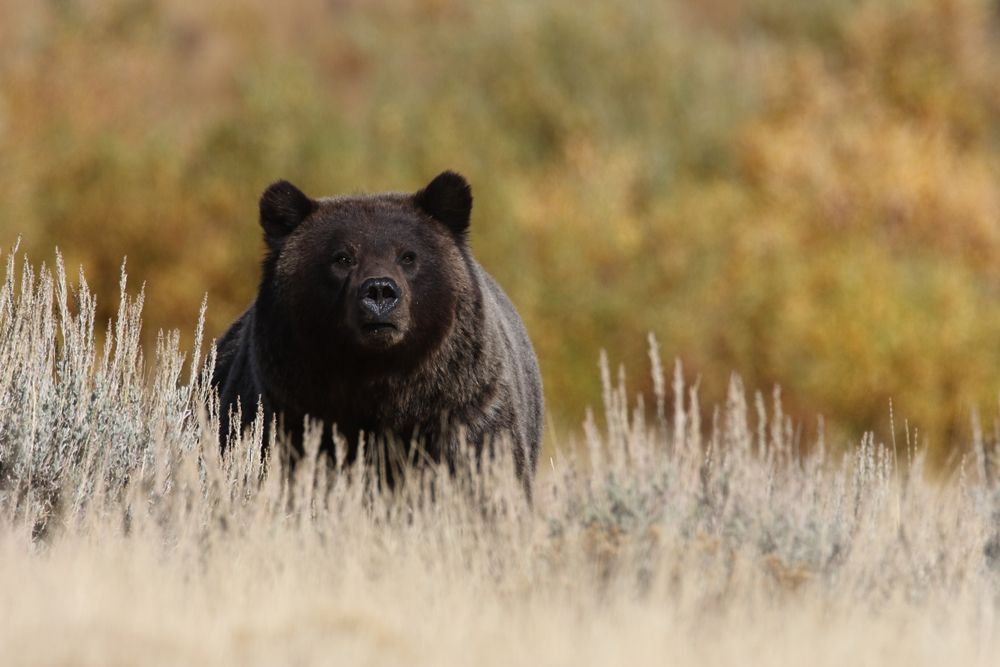
Yellowstone isn't a theme park. It's one of the last truly wild places remaining in the lower 48 states. The Greater Yellowstone Ecosystem stretches across roughly 22 million acres of Wyoming, Montana, and Idaho, where grizzly bears, wolves, bison, and elk roam freely and the ground itself is restless.
That wildness is what makes Yellowstone extraordinary. It also comes with inherent dangers that every visitor should understand before they arrive.
The hazards are real
The following list isn't exhaustive, but it shows the range of natural hazards that are part of everyday life in Yellowstone.
Wildlife. There are no fences between you and the animals. Bison can weigh up to 2,000 pounds and run faster than a person, and they injure more visitors than any other animal in the park. Elk become aggressive during the fall rut and calving season, and bears are most dangerous when surprised or defending their young. Park rules require staying at least 100 yards from bears and wolves and 25 yards from all other animals.
Hydrothermal features and explosions. Yellowstone sits atop one of the world's largest active volcanic systems. Water in many hot springs is near or above boiling, and the ground around them can be a thin crust over scalding water. Hydrothermal explosions can also happen with little warning, as one did at Biscuit Basin in July 2024, sending visitors running from a boardwalk.
Wildfire. Fire is a natural part of the ecosystem, and summer and fall fires can close roads and fill valleys with smoke.
Floods. In June 2022, record flooding washed out roads and forced the closure of the entire park, stranding visitors and gateway communities.
Earthquakes. Yellowstone is one of the most seismically active areas in the country, typically recording between 1,500 and 2,500 earthquakes a year.
Lightning and sudden storms. Summer afternoons often bring fast-moving thunderstorms with lightning and hail, and snow can fall in any month.
Remoteness and altitude. Cell coverage is spotty or nonexistent in much of the park, help can be far away, and most of the park sits between 7,000 and 8,000 feet, where altitude can leave visitors exhausted and dehydrated.
A note for parents
If you're visiting with young children, it's especially important to remember that Yellowstone isn't a theme park. The animals aren't tame, the boardwalks don't have tall railings everywhere, and a few steps off the path near a hot spring can be deadly.
Keep children within arm's reach in thermal areas and near wildlife, explain the rules before you arrive, and never let kids approach animals, no matter how calm they seem.
Don't become the next chapter
The well-known book Death in Yellowstone documents more than a century of tragedies in the park, from scalding hot springs to wildlife encounters to drownings in icy rivers. Many of those stories share a common thread: visitors who underestimated how wild Yellowstone really is.
You don't want to become a new chapter in the next edition.
How to travel respectfully
Keeping yourself, and Yellowstone, safe depends on a few simple habits:
Give wildlife space, and use binoculars or a spotting scope for a closer look.
Stay on boardwalks and marked trails, especially in thermal areas.
Pack out everything you bring in, and never leave food where animals can reach it.
Pull completely off the road to watch wildlife, and never stop in a traffic lane.
Leave rocks, plants, antlers, and other natural objects where you find them.
Why a private guide lowers your risk
A privately guided tour greatly reduces your chances of becoming one of the unfortunate visitors whose trip ends in an accident. Our guides carry CPR and Wilderness First Aid certifications and spend their days reading wildlife behavior, weather, road conditions, and changes in thermal areas.
They know how to view animals from a safe distance, bring spotting scopes so you can see wildlife up close without getting close, and keep your group, especially young children, safe around hot springs and boardwalks. Just as important, they help you understand the ecosystem, so you leave with a deeper respect for what makes Yellowstone wild.
Experience Yellowstone's wild side, safely
Yellowstone's wildness is a gift worth protecting. Our private tours are designed to help families, friend groups, and active seniors experience it safely, respectfully, and up close.
To start planning, call 406.312.5592 or visit obsidianexpeditions.com.
