
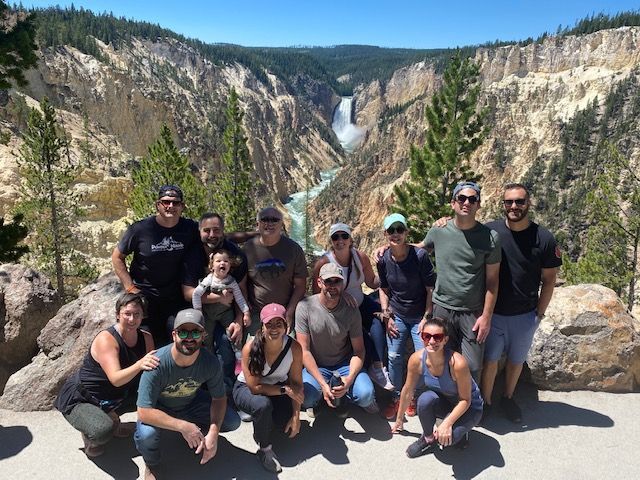
The Greater Yellowstone Ecosystem is one of the largest nearly intact wild ecosystems on Earth. It covers roughly 22 million acres across Wyoming, Montana, and Idaho, taking in Yellowstone and Grand Teton National Parks, surrounding national forests, wildlife refuges, and gateway towns. It holds more than half of the world's geysers and some of the richest wildlife viewing in North America.
With that much ground to cover, one of the first decisions you'll make is how to explore it: on your own, or with a private guide. Both can lead to a wonderful trip. They just deliver very different experiences. Here's an honest look at the pros and cons of each, so you can choose what fits your group.
A tour we think you'll love
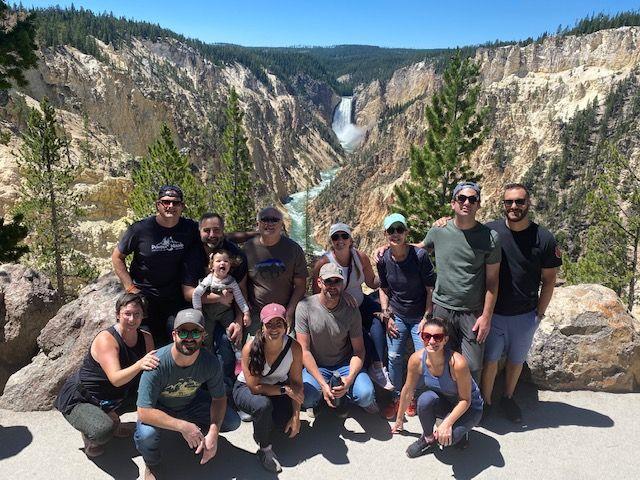
The Best of Yellowstone
Pros and cons, side by side
Cost
Self-guided: Lower upfront cost. You pay for fuel, a rental car, and a park pass, making it the most budget-friendly option.
Private guided: Higher cost, though transportation, equipment, and often meals are included.
Planning
Self-guided: You research road openings, construction, closures, lodging, and timing, all of which change by season and year.
Private guided: Your guide builds the itinerary around your group. Popular dates fill early, so you'll need to book ahead.
Driving
Self-guided: Someone has to drive, navigate, and find parking, so at least one person sees far less wildlife and scenery.
Private guided: Your guide drives, so everyone can watch out the window.
Wildlife viewing
Self-guided: Many animals are distant, hidden, or active only at dawn and dusk. Without knowing where to look or having a spotting scope, it's easy to drive right past them.
Private guided: Guides follow animal activity daily and know where wolves, bears, elk, and bison are being seen. Spotting scopes turn distant specks into real sightings.
Learning
Self-guided: Signs, apps, and guidebooks cover the basics, but they can't answer your kids' questions.
Private guided: Your guide explains the supervolcano, the wildlife, and the people who shaped the region, and answers questions as they come up.
Flexibility
Self-guided: Complete freedom to sleep in, change plans on a whim, or spend all day at one spot, plus the satisfaction of figuring it out yourself.
Private guided: The day follows a plan, but your group sets the pace, whether that means more time for photos, shorter walks for grandparents, or snack breaks for kids.
Safety
Self-guided: You're responsible for handling winter roads, sudden storms, thermal areas, and wildlife encounters.
Private guided: Guides trained in CPR and Wilderness First Aid manage conditions and keep your group safe around wildlife and thermal features.
Crowds
Self-guided: In summer, popular parking lots fill by mid-morning, and bison jams can stop traffic for long stretches.
Private guided: Guides know when popular stops are quietest and plan the day around them, adjusting for closures and weather.
Which is right for you?
Self-guided may suit you if you're on a tight budget, you've visited before and know the park well, or you enjoy planning and driving as part of the adventure.
A private guided tour is a better fit for first-time visitors, families with children, multigenerational groups, active seniors, wildlife and photography enthusiasts, and anyone visiting in winter, spring, or fall.
Why Obsidian Expeditions
Obsidian Expeditions specializes in private multiday tours of the Greater Yellowstone Ecosystem. We never add outside travelers to your group, and we plan directly with you, so your itinerary fits the people on it. You'll travel in a spacious all-wheel-drive Ford Transit van with panoramic windows.
To start planning your private Yellowstone adventure, call 406.312.5592 or visit obsidianexpeditions.com.
